

There is a reason airplane wings bend. Watch one from a window seat in turbulence and it can be a little unsettling. The wing moves far more than most passengers would like. But that flexibility isn’t a defect. It is part of what keeps the airplane in the sky. A perfectly rigid wing would have […]
Read More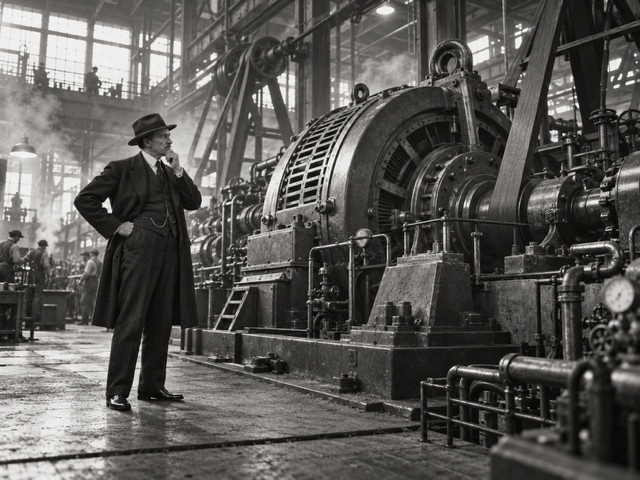
There is a familiar pattern in economic history. First comes the spending. Then comes the skepticism. If the spending was aimed at something real, the output eventually shows up where people can no longer ignore it. That was true in the electrification era. Money poured into generation, wiring, equipment, factories, and the physical buildout needed […]
Read More
There is an old story about a man looking for his keys under a streetlight. His friend asks if that is where he lost them. “No. I lost them across the street.” “Then why are you looking here?” “Because the light is better.” I thought about that after the Fed raised rates this week. Kevin […]
Read More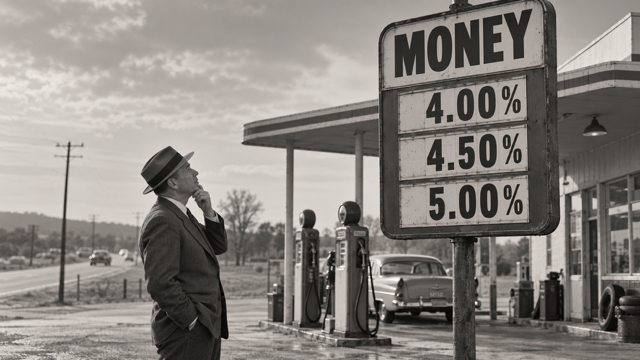
There is an old habit in Washington that works pretty well right up until the point it doesn’t: When something gets expensive, subsidize it. Housing too expensive—help with the down payment. Energy too expensive—send a credit. Consumers unhappy about prices—send them a check. There is a certain elegance to this approach. Unfortunately, economics occasionally gets […]
Read More
I’m having a lot of discussions with clients and colleagues on the headline US debt. It’s real and serious, but it’s not the first time we’ve seen this kind of macroeconomic event. In 1946, Americans had plenty to worry about. The country had just finished financing the largest war in its history. Federal debt had […]
Read More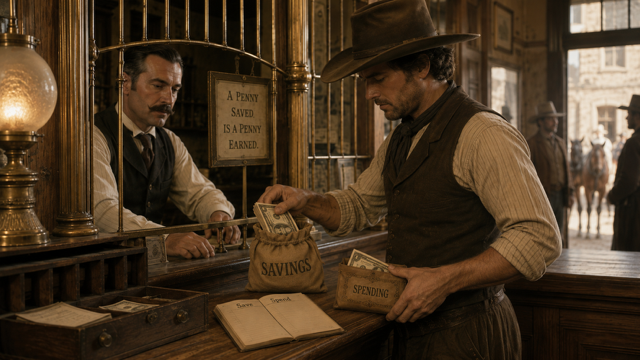
During World War II, Americans did something economists had rarely seen at that scale. They earned more money and saved an extraordinary amount of it. By 1943, Americans were saving roughly 27% of their disposable income. Some of that was forced on them. Cars were hard to buy. New homes were scarce. Consumer goods were […]
Read More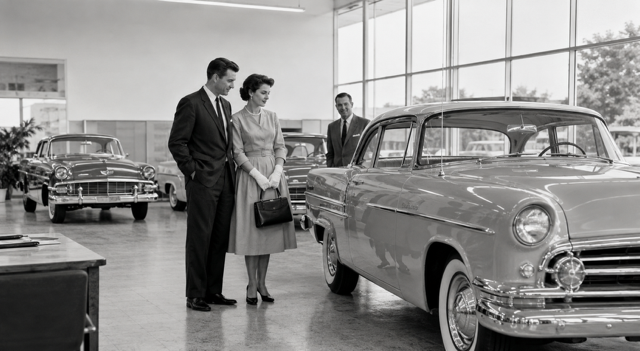
In the early 1870s, America was laying railroad track at a remarkable pace. The railroads were transforming the country, but somebody had to pay for all that steel, land, and labor. Much of the money came from bonds sold to private investors. Those railroad bonds competed with government debt for the same pool of capital. […]
Read More
I thought we might take a week off from the normal barrage of economic data. There will be more earnings next week. There will be another jobs report, another inflation report, another Fed speech, and probably another round of debate about whether AI spending is too high or still not high enough. This week, I […]
Read More
There is an old investing problem that never seems to go away. We see a number, decide what it means, and then go looking for evidence to support the conclusion. A bad jobs report means the economy is bad. A high P/E means stocks are expensive. Inflation means consumers are struggling. Sometimes those conclusions are […]
Read More
There is an old story about a man who checks the weather forecast every morning before leaving home. One day, the forecast calls for rain, so he carries an umbrella under a perfectly blue sky. The next day, it predicts sunshine, and he gets soaked walking to work. Eventually, he learns the useful lesson: forecasts […]
Read More